
|
Quantity
|
Out of stock
|
||
|
|
|||
|
|
|||
Carmine is a natural red food dye obtained from special insects and used in the food industry, cosmetics, and technological processes. Queries such as what is carmine, what is E120, and how red food coloring works are common among buyers who want to understand the origin of the additive and the conditions of its use. The text structure helps users quickly navigate, compare the properties of the dye, and examine the areas where E120 is contained and where carmine is used.
What is Carmine (E120) and What is Red Food Coloring
Carmine is a red food coloring of animal origin, belonging to the additive E120. It forms a stable red shade that manufacturers use in food and beverages requiring a consistent red color. The reproducible composition of the pigment makes it highly sought after, as what is E120 is a complex of compounds that forms a rich red color and is resistant to temperature, light, and acid exposure. The question what is the E120 additive arises for consumers who want to understand how the dye works and which processes allow for its natural shade. Red food coloring is safe, provided application standards are met, which is why it is used in food production and cosmetic formulations with controlled dosage.
Carmine Color. What is Carmine Color?
The color carmine belongs to the warm group of saturated shades that maintain intensity even in concentrated form. Carmine color is distinguished by the density of the pigment, so it is used in products requiring a stable **carmine-red** tone. When describing the carmine red color, attention is drawn to different gradations — from deep red to lighter, depending on the substance's concentration. The clarification what carmine color is helps manufacturers select the correct dye dosage for the technological task.
What Color is Carmine? The Difference in Color Carmine Shades
Consumers are interested in what color carmine is. These designations are used in industry and catalog palettes where the color must be standardized. The carmine shade varies from dark red to bright red, if the pigment concentration is increased. The carmine color standard is used in cosmetics and food products where it is necessary to achieve a uniform visual result without changing the product's structure.
What is Natural Red Food Coloring
Natural red coloring is formed by compounds of animal origin, obtained from specific insects. **Natural red dye** from beetles remains resistant to pH and temperature, making it sought after in the production of beverages, yogurts, sausages, sauces, and cosmetic products. The natural source allows for the preservation of shade saturation without synthetic additives, so it is used in areas requiring a natural red color and high dye stability.
What Red Dyes E120 are Made From. Origin and Raw Materials
The question of what red dye is made from is the most frequent. E120 dye is obtained from dried insects that contain the natural pigment. What carmine is made of and what E120 is made of are important topics for manufacturers because the quality of the dye depends on the conditions of cultivation and harvesting of the raw materials. The natural base makes the dye stable, and its red saturation allows the pigment to be used in products, cosmetics, household chemicals, and textile production.
Dye from Beetles. Which Insects Provide the Carmine Pigment
Dye from beetles is produced from specific species containing concentrated natural pigment. **Which beetles make red dye** — from female insects that accumulate substances for coloring. The **insect source of carmine** is a species traditionally used in countries where the cultivation of such pigment carriers is developed. The **beetle** provides the pigment upon drying, after which it undergoes purification and preparation for further use. This method of obtaining ensures the stability of the shade.
What is Cochineal, Cochineal Beetle, and Small Red Insects
It is important for buyers to understand what cochineal is and what cochineal is, because this species provides the raw material for carmine. The **cochineal beetle** is a **small red insect** containing the pigment. The **red-colored insect** is processed to obtain a stable concentrate suitable for the food and cosmetic industries. **Cochineal** is used as a source of natural red shade in Latin American countries and other regions where the climate favors the cultivation of such species.
Cochineal — Dye and Cochineal Extract. Dye from Cochineal and Paint from Insects
The cochineal dye is of natural origin. Cochineal extract is obtained after processing the insects and is converted into a dye from insects that can be used in the food and cosmetic industries. **Paint from insects** is formed due to the stability of the pigment, which makes it effective in various formulations. This approach ensures high color fastness and the possibility of integration into products requiring a rich red shade.
How Carmine Dye E120 is Made. Paint from Beetles and Raw Material for Carmine Paint
Manufacturers are interested in how carmine dye E120 is formed and how stable the paint from beetles remains after processing. **Raw material for carmine paint** undergoes purification, drying, and extraction. **Red paint from insects** is used due to the high concentration of pigment, which allows for obtaining bright shades. The manufacturing methodology preserves the natural composition and ensures the stability of the red tone during storage, heating, freezing, and exposure to acids.
Carmine in Products. What Products Contain E120
Consumers often ask where carmine is found in products and which products use E120 most often. What products contain carmine — in sweets, dairy products, beverages, sausages, glazes, sauces, and some ready-made meals. Products with E120 use a natural coloring source because it provides a stable shade. Where E120 is contained depends on the technological requirements and the required intensity of the color solution.
Below is a table with product groups where the red pigment is used.
Where Carmine E120 is Found
| Category | Product Examples | Reason for Use |
| Sweets | candies, chewing products, glaze | stable red shade |
| Dairy Products | yogurts, desserts | natural coloring and resistance to acidity |
| Meat Products | sausages, ham | color improvement during heat treatment |
| Beverages | carbonated and soft drinks | rich red color and light stability |
| Cosmetics | lipsticks, blushes | stable pigment of animal origin |
Carmine in Candies and Red Food Coloring in Sweets
Since carmine in candies is common, manufacturers use red food coloring to give products a bright shade. Red food dye remains stable when heated and does not change the product's texture, so it is used in glazes, coatings, and fillings. Their goal is to create a visually appealing product with uniform color without changing the taste.
Carmine in Beverages. Is Carmine in Cola, Carmine in Coca-Cola, E120 in Coca-Cola
One of the frequent questions is: is carmine in cola. Carmine in cola is found in certain versions of beverages where a natural red shade is required. Coca-Cola carmine uses it in limited recipes, and E120 in Coca-Cola is not found in all variations. Users also search for coca cola e120 to clarify the composition of a specific product. Everything depends on the beverage formula and market requirements.
Carmine in Cosmetics. Carmine Dye in Lipsticks and Carmine Lipstick Color
Carmine in cosmetics is used because of its stability and dense shade, which maintains saturation upon contact with the skin and fatty base. Carmine dye is used in lipsticks, blushes, and eye shadows, making the formulas resistant to light and temperature. Carmine lipstick color creates a characteristic dense tone recognized in decorative cosmetics due to its stability. Carmine lipstick retains depth of shade and is evenly distributed, making it popular in professional lines where color predictability and pigment stability are important.
Is E120 Harmful or Not. Effect on the Body, Allergy, and Harm of Carmine
Users often clarify is E120 harmful or not, and how the E120 effect on the body is related to dosage. The E120 effect on the body depends on the state of health and individual sensitivity. Carmine allergy is rare, but a reaction is possible in people sensitive to animal proteins. The harm of carmine is minimal when application standards are met, but exceeding the dosage in production is excluded by technological standards. Carmine harm may only manifest in a small group of people prone to food allergies, so manufacturers list the additive in the composition.
Carmine Dye Harm and Benefit. Food Additives from Insects
Buyers are interested in carmine dye harm and benefit, comparing the natural coloring source with synthetic dyes. Food additives from insects provide a stable color and help reduce the amount of artificial substances in products. Additives from insects are used where a natural red shade is required, and their benefit lies in the natural base and stability. Allergic reactions are possible but infrequent, as the pigment undergoes purification and standardization.
COA / Certificate of Safety
| Indicator | Value | Source |
| Product Name | Carmine Watersoluble 20% (WS.20) | COA |
| Carminic Acid Content (FCC II) | > 20.0% | Product Info |
| Composition | Cochineal Extract (57.5–62.5%), Carrier (37.5–42.5%) — maltodextrin / dextrose / salt | MSDS |
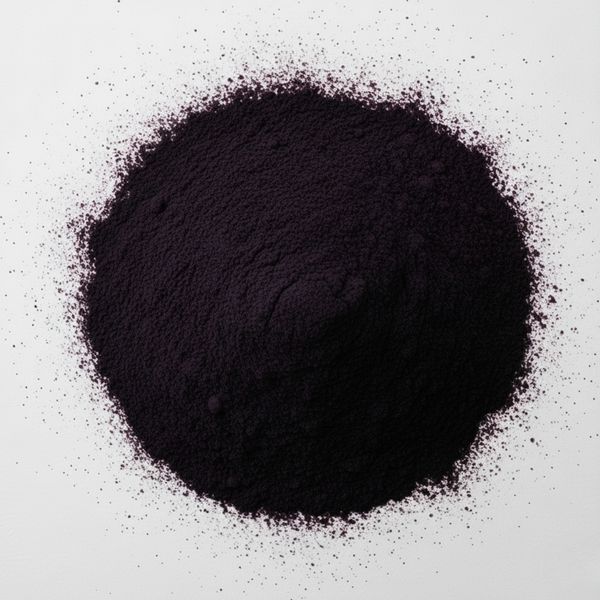
| Physical State | Dark pulverized powder | MSDS |
| Color | Dark purple / red in solution | MSDS |
| Odor | Characteristic | MSDS |
| Solubility | Water soluble | MSDS |
| pH (1% aqueous solution) | > 9.0 | MSDS / Product Info |
| Density | 0.30–0.45 g/mL (in COA also 0.30–0.60 kg/L) | MSDS / Product Info |
| Moisture | < 10.0% | Product Info |
| Aluminum content | < 0.55% | Product Info |
| Microbiology — Total viable count | < 1000 cfu/g | Product Info |
| Yeasts | < 100 cfu/g | Product Info |
| Moulds | < 100 cfu/g | Product Info |
| Salmonella | Absent in 10 g | Product Info |
| E.coli | < 3 MPN/g | Product Info |
| Heavy Metals — As | < 1 ppm | Product Info |
| Heavy Metals — Pb | < 1.5 ppm | Product Info |
| Heavy Metals — Hg | < 0.5 ppm | Product Info |
| Heavy Metals — Cd | < 0.1 ppm | Product Info |
| CAS number | 1390-65-4 | MSDS |
| Regulatory Compliance | JECFA, EU 231/2012, EU 2018/1472, FDA 21 CFR 73.100 | Product Info |
| GMO status | Non-GMO | Product Info |
| Stability | Stable under ordinary conditions | MSDS |
| Storage Temperature | 15–25°C, dry ventilated place | Product Info |
| Shelf Life | Up to 2 years | Product Info |
| Packaging | 5 / 20 / 25 kg bags; PE Drums / Fiber Drums | Product Info |
| Manufacturer | IMBAREX S.A., Peru | MSDS |
| Hazard | Not classified as hazardous | MSDS |
Carmine Halal or Haram. E120 Vegan, Carmine Haram?
The question of **carmine halal or haram** is related to the substance's origin. **Carmine haram** is considered in some religious schools because the dye source is insects. **E120 vegan** also raises interest, as the animal-derived product does not meet vegan diet standards. In some cases, **E120 carmine** is permitted, but the final decision depends on the specific interpretation of the rules. Manufacturers take these features into account when forming the assortment and labeling products.
E120 Dye — Halal or Not?
It is important for buyers to understand is E120 halal or not. In most religious practices, the dye does not belong to the halal category but is permitted in certain interpretations. Producers of goods for markets with religious requirements replace it with alternatives to ensure the product meets the standard.
How Dyes are Made. From Cochineal to Carmine Paint
Understanding **how dyes are made** helps to evaluate the pigment's properties. **Carmine paint** is formed after pigment extraction and purification, which allows for obtaining a stable red shade. **Carmine colors** are used in the food, cosmetic, textile, and technological industries due to their high level of stability. Manufacturers use standardized processes to maintain color and ensure a predictable result in finished products.
Composition of Carmine Dye and What Carmine Dyes are Made From
The **carmine dye composition** includes compounds obtained from insects after extraction. **Carmine dyes** are used in areas requiring stability and natural coloring. **What carmine dye is made from** — processed and purified raw materials that undergo stages of filtration, neutralization, and stabilization. This approach provides a rich red shade that is maintained during heat treatment, freezing, and light exposure.
Red Food Dye. Composition of Food Dye and Substance in the Composition of Dyes
**Red food dye** is used in the industry due to the stability of the shade. The **composition of the food dye** is formed by naturally sourced substances that undergo purification. The **substance in the composition of dyes** determines the degree of saturation, behavior in an acidic environment, and stability during heating. **Red dye** remains in demand in segments where it is necessary to maintain a predictable color solution and a natural product profile.
Where to Buy Carmine (E120). Buy Carmine Dye in Ukraine and Kyiv
Buyers look for **where to buy carmine** and what options are available for industrial use. **Buy carmine Kyiv** is possible for food products, beverages, soap, and cosmetics. **Buy carmine Ukraine** allows enterprises to purchase the dye in bulk for various production processes. Companies that need a stable natural red shade choose to **buy carmine dye**. **Buy carmine dye in Kyiv** is available from suppliers specializing in food additives and natural dyes.
Buy Carmine Food Dye. Price and Manufacturers
For industrial purchases, it is important to know that **carmine food dye can be bought** from food additive manufacturers. The **carmine price** depends on the degree of purification, the origin of the raw materials, and the form of delivery. The **E120 carmine cochineal food dye manufacturer** specifies stability parameters, which is important for processing and storage. Such raw materials are used by enterprises that need to ensure an even red shade in their products.
Buy Dye for Soap, Beverages, Meat Products.
Certain segments look for **where to buy carmine soap dye**. **Buy carmine dye in Ukraine** for soft drinks is available from suppliers who offer liquid and powder forms. Manufacturers who need a stable color during heat treatment choose to **buy carmine natural 2 dye for sausage production in Ukraine**. This pigment retains its shade and remains uniform throughout the product structure.