

|
Quantity
|
Out of stock
|
||
|
|
|||
|
|
|||
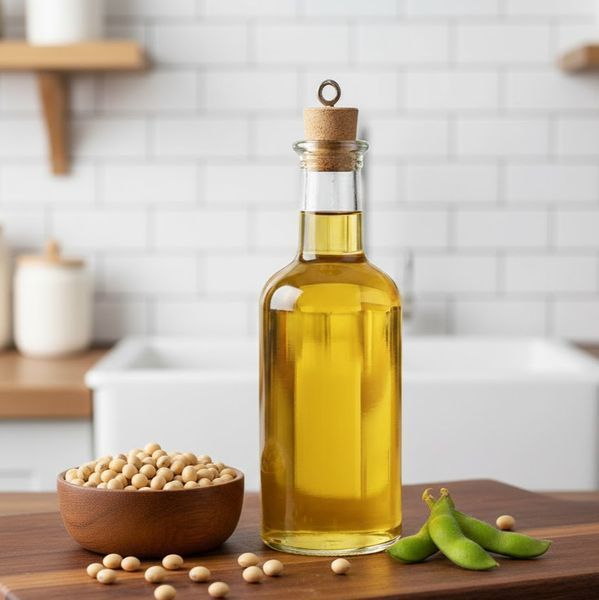
Soybean oil Glycine Soja Oil – a universal ingredient for cosmetics and food products
Soybean oil (INCI: Glycine Soja Oil) is a vegetable oil obtained by pressing or extracting soybeans. It is characterized by a high content of linoleic acid (omega-6), tocopherols (vitamin E) and other biologically active components, which makes it a valuable raw material in both the cosmetic and food industries. Due to its neutral odor and good stability, soybean oil is easily combined with other fats, actives and flavors, without changing the overall organoleptic properties of the finished product.
Cosmetic properties and benefits of soybean oil
Soybean oil is widely used in skin and hair care products due to its combination of moisturizing, softening and antioxidant effects. It is well suited for both professional formulas and homemade handmade cosmetic products.
Key skin benefits
- Intensive hydration - helps retain moisture in the upper layers of the epidermis, reduces the feeling of tightness and dryness.
- Nourishing action - linoleic acid and other fatty acids maintain the integrity of the lipid barrier, contribute to the softness and elasticity of the skin.
- Antioxidant protection - vitamin E neutralizes free radicals, helping to reduce the negative effects of ultraviolet light and environmental factors.
- Improving texture - regular use of products with soybean oil helps smooth the microrelief of the skin, making it more delicate to the touch.
- Soft action - suitable for dry, normal and combination skin, as well as in small concentrations for sensitive skin.
Benefits for hair and scalp
- Conditioning effect – softens hair, makes combing easier, reduces brittleness.
- Scalp nutrition – maintains hydrolipid balance, promotes comfortable scalp condition.
- Shine and elasticity – gives hair a natural shine without the effect of "heaviness" provided the concentration in the formula is correctly selected.
Scope of application in cosmetics
Soybean oil is a popular base emollient and carrier for active ingredients in various categories of cosmetic products.
Skin care
In skin care products Soybean oil is used as a base or additional care component.
- Face and body creams
- Nourishing and restorative balms
- Oil-based lotions, milks, serums
- Massage products (mixed with other vegetable oils)
Hair care
Glycine Soja Oil is added to hair products for softness, shine and reduction of dryness.
- Conditioners and rinses
- Masks for dry and damaged hair
- Serums and oils for hair ends
- Night nourishing wraps
Lip cosmetics
Soybean The oil is especially appreciated in lip products, where a combination of nutrition and comfort is required.
- Lip balms
- Lipsticks and glosses with a caring effect
- Protective and restorative products for chapped lips
Use in the food industry
Soybean oil is one of the most common vegetable oils in the world, used in professional cooking, the restaurant business and food production.
Culinary properties
- Suitable for frying - widely used for deep and shallow frying of vegetables, meat, fish, semi-finished products.
- Optimum for baking - included in dough, confectionery, bakery products.
- Neutral taste – does not interrupt the aroma of the main dish, suitable for combination with various spices and additives.
- Versatility – used in marinades, sauces, mayonnaise, salad dressings.
Nutritional value
- Rich in polyunsaturated fats – a source of omega-6 fatty acids.
- Contains vitamin E – a natural antioxidant that increases the stability of the oil.
- Low aroma intensity – optimal for mass production of food products.
Characteristics and composition
Below is summarized information on the key properties of soybean oil as an ingredient for the production of cosmetics and food products.
| Parameter | Description |
|---|---|
| Name in Ukrainian | Soybean oil |
| INCI | Glycine Soja Oil |
| Origin | Vegetable, from soybeans |
| Essential fatty acids | Linoleic (omega-6), oleic (omega-9), palmitic, etc. |
| Key properties | Moisturizing, softening, nourishing, antioxidant protection |
| Main areas of application | Cosmetic and food industry |
Recommendations for use in formulas
Specific dosages depend on the type of product, desired texture, and combination with other ingredients. Below are approximate ranges for the use of soybean oil in cosmetics.
Examples of approximate concentrations
- Facial creams and lotions - usually 2 to 10% in the fat phase.
- Body creams and balms - approximately 5–20% depending on the desired fat content.
- Hair masks and conditioners - approximately 3–15%
- Lip balms - in combination with waxes and other oils 10–30%.
- Massage oils - often up to 50% in mixtures with other base oils.
General advice for formulators
- Combine soybean oil with more stable and solid fats (e.g. butter) to obtain a balanced texture.
- Consider the presence of vitamin E as a natural antioxidant that helps improve the oxidative stability of the formulation.
- Use in emulsions (O/W and W/O) as an emollient and carrier for fat-soluble active ingredients.
Benefits of using soybean oil for manufacturers
Soybean oil is an economically viable and technologically convenient raw material for large-scale production.
- Availability and stable supply - soybeans are widely cultivated, which ensures a stable availability of raw materials.
- Versatility - one ingredient can be used in different product lines: cosmetics, personal care products hair, food products.
- Good compatibility – easily combined with most plant and synthetic components, allowing flexible modeling of the final product properties.
Soybean oil (Glycine Soja Oil) combines valuable functional properties that make it an effective moisturizing, nourishing and antioxidant component for cosmetics, as well as a universal vegetable oil for frying, baking and the production of various food products.